How to improve at Valorant in 2026 with movement and aim lessons from satisfying clip breakdowns
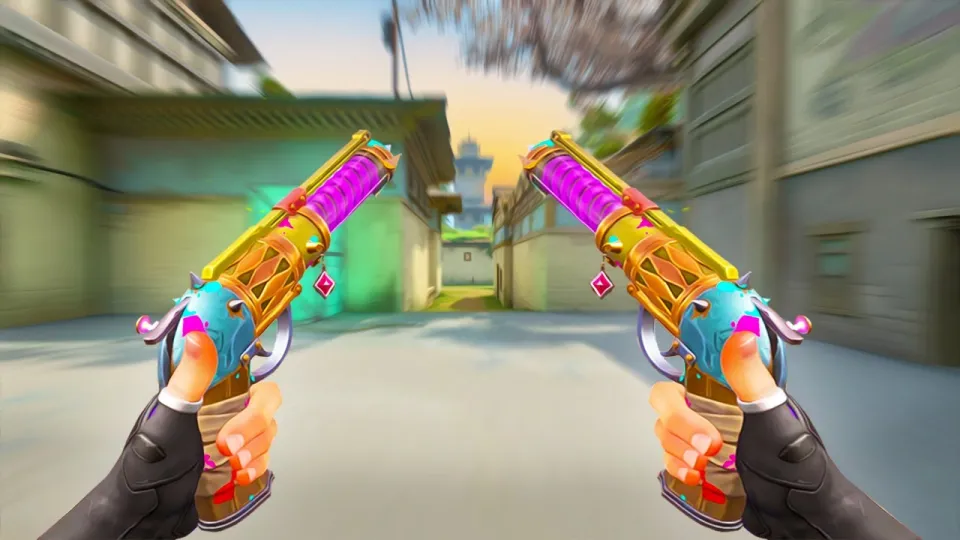
Video: 20 Minutes of Satisfying Valorant Clips
Want articles like this for your own video to promote it on YouTube and Google? Order them through the Telegram bot @sat_sit_bot. The bot writes and publishes the articles itself (with your YouTube video embedded) on popular topical websites (no ads). Your first 50 articles are free.
Key takeaways
- Phoenix is an offensive duelist whose Blaze wall blocks vision and deals damage while Curveball blinds enemies even around corners.
- Hot Hands plus the Run it Back ultimate make Phoenix a durable aggressive pick for players who like to push first.
- Rawzu runs 400 DPI at 0.625 in-game sensitivity, 1440x1080 stretched resolution and crosshair code 1-6-2-2.
- Hardware listed in the video description: Lamzu Maya X mouse, Zowie H-SR-SE 2 Blue mousepad and a Zowie XL2566K 360Hz monitor.
- Maps featured across the clip compilation include Lotus and Icebox, with Vandal-focused gunplay on eco and bonus rounds.
Getting better at Valorant in 2026 comes down to three repeatable habits: a sensitivity you never change, movement that keeps you unpredictable, and utility used before the fight instead of after it. The 20-minute satisfying clip compilation from the Rawzu channel is a practical case study of all three, and you can watch the same sessions live at kick.com/rawzu, where the daily streams run. The clips are edited for entertainment, but the decisions behind each kill follow rules any player can copy.
What the Rawzu clip compilation actually shows
The video is a 20-minute montage of Phoenix gameplay across maps such as Lotus and Icebox, built around highlight rounds rather than a tutorial format. Phoenix is an offensive duelist who specializes in hunting enemies down while crippling their ability to shoot back: Blaze creates a wall that blocks vision and deals damage, Curveball blinds opponents even when they are tucked behind corners, and Hot Hands plus the Run it Back ultimate turn him into a durable entry fragger. Because the montage strings together full rounds, you can see the same pattern repeat — utility first, movement second, gunfight third.
Phoenix ability order for aggressive entries
Phoenix rewards players who spend utility before they spend health, and the clip order in the montage reflects that priority. A workable default sequence for an entry:
- Curveball around the corner you are about to clear, so defenders holding an off-angle are blinded even without line of sight.
- Blaze across the choke point to cut vision and damage anyone standing in the wall.
- Hot Hands into the space you just opened, both for the heal and to deny a common retake position.
- Run it Back when you are first through the door and expect to trade — dying inside the ultimate costs your team nothing.
That combination is why the agent suits players who like to play aggressively. The wall is not only a smoke replacement; it is a damage tool that punishes defenders who stand their ground in a narrow corridor.
Sensitivity, resolution and crosshair settings explained
The settings listed with the video are a complete, playable baseline rather than a random flex. Rawzu plays at 400 DPI with 0.625 in-game sensitivity, which lands near the low end of the competitive range and makes tracking and micro-adjustments far more consistent. The resolution is 1440x1080 stretched, a 4:3-style aspect that widens character models on screen, so enemies appear slightly larger and easier to hit at range. The crosshair is the code 1-6-2-2 — a compact, static shape with no movement or firing error, which keeps the center of the screen readable during fast strafes.
Peripherals matter less than consistency, but the listed setup is a useful reference point: Lamzu Maya X mouse, Zowie H-SR-SE 2 Blue mousepad, and a Zowie XL2566K 360Hz monitor. A 360Hz panel does not make you faster, but it does reduce the delay between what happens on the server and what you see, which is exactly what stretched-resolution duelists rely on.
Movement habits that make aim look effortless
The montage reads as "satisfying" mostly because of movement, not because of flick speed. Three habits show up again and again:
- Counter-strafe before every shot. Stop, shoot, move — never shoot while drifting, because Valorant punishes moving accuracy heavily.
- Clear angles in slices. Peek a narrow band, back off, then widen; the compilation's cleanest one-taps come from players who never over-commit to a wide swing.
- Use the Blaze wall as a movement tool, not just a shield. Crossing your own wall forces defenders to reposition, and a repositioning defender is a predictable one.
- Reset after every kill. Reloading behind cover and re-peeking from a new angle prevents the trade that ends most highlight reels.
How to read a highlight clip like a coach
Highlight compilations are entertainment, but they are also free VOD review if you watch them actively. Pause before each engagement and predict where the player will aim, then check whether the crosshair placement was already on the angle or had to travel. Notice the round economy too: several clips show a Vandal with full utility and shields on an early round, which is a deliberate buy decision, not luck. Finally, watch the teammates. Supportive comms and traded deaths are visible in the footage, and they are the reason the aggressive plays work at all. If you want to test these habits yourself, the daily streams at https://kick.com/rawzu are the raw, unedited version of the same playstyle.
Common doubts about copying pro-style settings
Players often assume that switching to a low sensitivity or stretched resolution will instantly improve their aim. In practice, the settings only remove friction; the improvement comes from repetition, and a sensitivity change usually costs a week of relearning before it pays off. A second common worry is that Phoenix falls off against coordinated opponents who trade every duel. That is partly true, which is why the Run it Back ultimate should be spent on the first engagement of a round rather than saved, so a lost duel becomes information instead of a man disadvantage. The clips also show that most "insane" kills come from off-angles and utility, not from raw mechanical superiority — a much easier thing to copy.
Useful links
- Live daily streams: https://kick.com/rawzu
- Original music by the creator: https://open.spotify.com/artist/6DbATPR1PTNMx7U918bg1Q
- Community Discord: https://discord.gg/axnFwyvxp3
Final thoughts on turning satisfying clips into real improvement
Satisfying Valorant clips are worth studying because they compress dozens of small decisions into a few minutes of footage. Copy the boring parts first: a fixed sensitivity, counter-strafing before every shot, and Phoenix utility thrown before the duel instead of after it. The flashy one-taps are the visible result of those habits, not a separate skill. Run the same three rules for a week of ranked games and the difference in your own clips will be obvious. The Rawzu channel assembled this breakdown material, and the live streams at https://kick.com/rawzu are where the same playstyle happens in real time.
Questions & answers
Is 400 DPI with 0.625 sensitivity too low for Valorant?
It sits at the low end of the competitive range, which is common among players who rely on precise crosshair placement rather than large flicks. The trade-off is that you need a large mousepad and more arm movement, which is why setups like the Zowie H-SR-SE 2 Blue are paired with it. If you switch, give it at least a week of consistent play before judging the result.
Does stretched resolution like 1440x1080 really help you hit more shots?
Stretched resolutions widen enemy character models on screen, which many players find easier to track, especially at longer ranges. It does not change hitboxes or recoil, and it slightly reduces horizontal field of view. It is a preference, not a requirement, and consistency matters more than the aspect ratio itself.
Is Phoenix still worth playing as an aggressive duelist?
Phoenix remains a strong entry pick because Blaze blocks vision and deals damage while Curveball blinds enemies behind corners, and Hot Hands gives him self-sustain. Run it Back lets him take the first duel of a round without risking a man disadvantage. He is less effective when a team refuses to trade with him, so the ultimate should be used early rather than saved.
How do I use highlight clips to actually improve instead of just watching?
Pause before each engagement and predict the player's crosshair placement, then check whether it was already on the angle. Watch the economy and utility usage on each round, not just the final shot. Finally, note how teammates trade kills, since most highlight plays depend on that support.
Source: 20 Minutes of Satisfying Valorant Clips · Markdown version